Canada Water gardeners balcony transformation ideas: smart ways to turn a small outdoor space into something special
If your balcony in Canada Water feels a bit bare, windy, or simply underused, you are not alone. Plenty of people look out at a narrow slab of concrete and think, "There has to be more to this." The good news is there usually is. With the right Canada Water gardeners balcony transformation ideas, even a compact balcony can become a calm morning coffee spot, a leafy privacy screen, a herb corner, or a small social space that feels far bigger than it is.
Balcony makeovers are not about cramming in more stuff. Truth be told, that is how many projects go wrong. The best transformations balance function, light, weight, drainage, and style. In this guide, you will find practical design ideas, plant choices, common mistakes, and a realistic step-by-step approach that works in a London apartment setting. We will also look at maintenance, compliance, and a few real-world examples so you can make good decisions, not rushed ones.
Table of Contents
- Why Canada Water gardeners balcony transformation ideas Matter
- How Canada Water gardeners balcony transformation ideas Works
- Key Benefits and Practical Advantages
- Who This Is For and When It Makes Sense
- Step-by-Step Guidance
- Expert Tips for Better Results
- Common Mistakes to Avoid
- Tools, Resources and Recommendations
- Law, Compliance, Standards, or Best Practice
- Options, Methods, or Comparison Table
- Case Study or Real-World Example
- Practical Checklist
- Conclusion
- Frequently Asked Questions
Why Canada Water gardeners balcony transformation ideas Matter
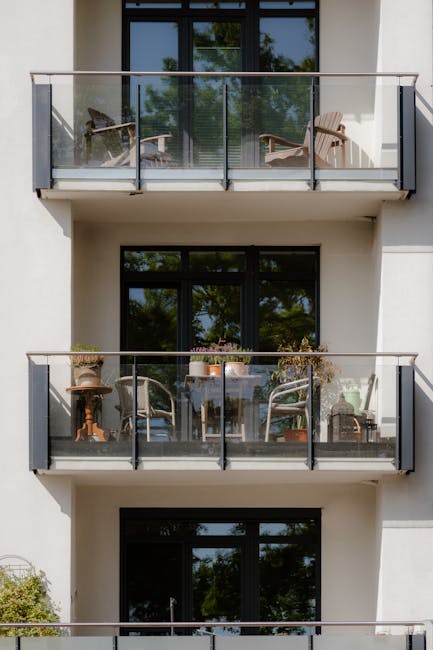
Canada Water has that very urban, very lived-in London feel: modern flats, waterside walks, changing light, and balconies that can be either a delight or a missed opportunity. A balcony transformation matters because it gives you a proper outdoor room without needing a garden-sized plot. That matters more than people think. A well-designed balcony can change how a flat feels day to day.
For many homes, the balcony is the only place where you can get fresh air without leaving the building. If it is cluttered, too exposed, or awkward to use, it becomes storage. If it is planned well, it becomes part of your living space. Simple as that.
There is also a practical side. Balcony gardens can soften hard edges, improve privacy, and make a home feel more personal. A few good planters, one seating zone, and a clear layout can make a dramatic difference. We have seen small spaces go from "nowhere to sit" to a place people actually use every evening in summer. It is a small change with an outsized effect.
For readers exploring broader garden improvements too, ideas from unlocking your garden's makeover journey can be adapted nicely to balconies, especially where you need a clear plan before buying anything.
How Canada Water gardeners balcony transformation ideas Works
A successful balcony transformation starts with constraints, not products. That sounds boring, but it saves money. First, you look at the space itself: size, aspect, wind, shade, sun hours, railing type, floor surface, and access. Then you choose a purpose. Do you want a relaxing nook, a herb garden, a privacy screen, or a display space with seasonal colour?
Once the purpose is clear, design becomes much easier. You can choose containers that fit the weight limit and layout. You can group plants by light needs rather than by impulse. You can decide whether you need seating, vertical growing, or a more minimal arrangement. That sequence matters because balconies often fail when people start with decorative items and work backwards. Not ideal.
In practical terms, the process usually looks like this:
- Measure the usable floor area and note any fixed obstacles.
- Check wind exposure and the amount of sun or shade.
- Decide on the main job of the balcony.
- Choose a layout that leaves a clear walking path.
- Use lightweight, weather-resistant materials.
- Select plants that suit the conditions, not just the look.
- Add finishing touches such as lighting, cushions, and screening.
If your balcony is particularly exposed, it is worth thinking like a small-scale garden designer and using guidance similar to fortifying a garden against the elements. Wind, rain, and sudden cold snaps matter on balconies, sometimes more than in ground-level gardens.
Key Benefits and Practical Advantages
Let's face it, the best balcony transformations do more than look nice in photos. They make life easier. Here are the most useful benefits people notice once the space is properly designed.
- More usable living space: A balcony can become an extra room for reading, working, eating, or growing plants.
- Better privacy: Strategic planting, screening, or trellis features can soften nearby views without making the space feel boxed in.
- Improved mood: A green space, even a tiny one, can feel calming after a noisy day in the city.
- Flexible design: Balcony layouts can be changed seasonally much more easily than fixed gardens.
- Lower maintenance than many gardens: With the right plant choices, a balcony can be surprisingly manageable.
- Style upgrade: A well-done balcony adds polish to a flat and can make the home feel more complete.
There is another advantage that often gets overlooked: better spatial discipline. A balcony forces you to be thoughtful. That usually leads to cleaner design than a larger garden full of random purchases. A little restraint goes a long way.
For readers interested in low-effort upkeep, low-maintenance garden ideas translate well to balcony spaces where time, water, and storage are limited.
Who This Is For and When It Makes Sense
Balcony transformation makes sense for a wide range of people, but especially if your outdoor space is currently doing nothing for you. If that sounds familiar, you are in the right place.
- Flat owners who want more lifestyle value: You want a place to unwind without leaving home.
- Renters who need non-permanent upgrades: Moveable furniture, planters, and freestanding screens can deliver a big change without altering the structure.
- Busy professionals: A simple balcony can give you a five-minute reset after work.
- Plant lovers: If you miss having a proper garden, a balcony can become a very satisfying growing space.
- Families in apartments: A safe, managed balcony can add a small outdoor escape for children, under supervision of course.
- Pet owners: With the right setup, you can create a calm, pet-aware outdoor area.
It makes less sense if the balcony is structurally limited, severely exposed, or already used as essential storage. In that case, the first win may be decluttering and a simple layout plan rather than a full makeover. Start there. No drama.
If you have a dog and want a balcony that works for both of you, there are useful parallels with designing a pet-friendly garden haven, especially around safe surfaces and plant selection.
Step-by-Step Guidance
If you want a balcony transformation that looks good and holds up in real life, follow a measured process. Rushing the buying stage is usually where budgets get burned. Here is a sensible order.
1) Clear the balcony completely
Begin with a blank slate. Remove everything, then decide what actually deserves to go back. This is the stage where you notice awkward corners, drainage points, and the true size of the usable area. You may also spot cleaning issues on the floor or railings that were hidden by clutter.
2) Define the main use
Pick one primary function. Maybe the balcony is for morning coffee. Maybe it is for herbs and salad leaves. Maybe it needs to be a peaceful reading corner with a little privacy. A balcony can do more than one thing, but it needs a main job or the layout becomes muddled.
3) Check conditions honestly
Look at sun, shade, and wind. A south-facing balcony may suit sun-loving plants and more colour. A north-facing or shaded balcony may need ferns, shade-tolerant evergreens, and reflective styling to avoid looking gloomy. Wind exposure is crucial in waterfront and higher-level flats. Pots can topple. Tall plants can shred. It happens fast.
4) Choose a layout that protects movement
Keep a clear route to the door. Avoid blocking access with oversized pots or seating. A balcony should feel easy, not like a little obstacle course. If space is tight, think vertically. Rail planters, wall-mounted systems, and slim shelves help make the most of the footprint.
5) Build structure before adding decoration
Structure means flooring, screening, seating, and container placement. Decorative cushions, lanterns, and accessories come later. One useful principle is to decide where the eye should go first. A trellis, a statement planter, or a compact seating set can all do that job.
6) Plant in layers
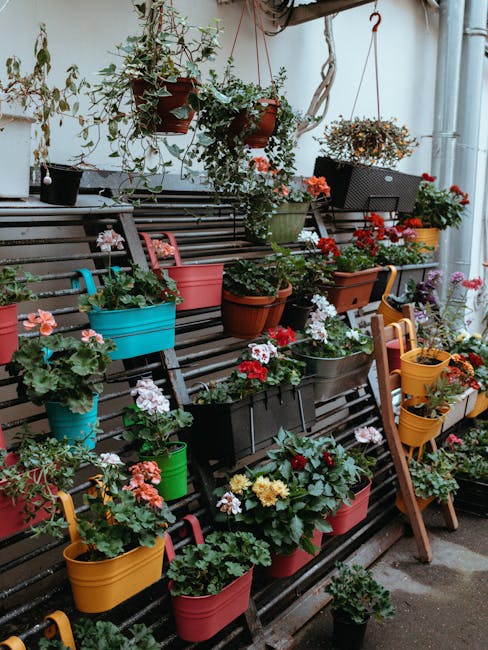
Use a mix of heights and textures. Low trailing plants soften edges, mid-level containers create volume, and taller plants or climbers add privacy. If you need inspiration for layering in smaller spaces, container gardening is a very good starting point.
7) Finish with comfort and routine
Add one or two comfort items: a seat pad, a small side table, warm lighting, or a compact outdoor rug. Then set up a simple care routine. Watering, deadheading, and checking wind damage should be quick. If maintenance feels too hard, simplify again. Better a smaller balcony you enjoy than a grand one you avoid.
Expert Tips for Better Results
Here are the practical details that tend to separate a decent balcony from one that really works.
- Use fewer, better items: Three good planters often look stronger than ten mismatched ones.
- Keep weight in mind: Terracotta looks lovely, but it is heavy. On some balconies, lightweight fibre or resin containers are more sensible.
- Group by watering needs: Don't mix thirsty herbs with drought-tolerant plants unless you want a hassle.
- Choose one accent colour: Repetition creates calm. Too many colours can make a small space feel noisy.
- Use scent near seating: Lavender, thyme, and some compact herbs can make evenings feel richer and a bit more personal.
- Build in winter resilience: Select hardy planting and protect delicate pots before the cold really settles in.
- Think about watering access: If carrying watering cans becomes annoying, the whole design will lose its charm quickly.
A small but important point: balconies often need more wind protection than people expect. If your space feels breezy at shoulder level, it will probably be tougher on fragile plants than you think. For that reason, wind management ideas are useful even on compact urban terraces.
One more thing. Keep a tiny notebook or phone note of what thrives and what sulks. That sounds a bit nerdy, yes, but it saves a lot of guesswork next season.
Common Mistakes to Avoid
Most balcony problems are avoidable. They tend to come from enthusiasm, which is fair enough, but still.
- Buying plants before checking conditions: A sun-loving plant will not forgive deep shade for long.
- Ignoring drainage: Water pooling under pots can damage surfaces and roots.
- Overcrowding the floor: If you cannot move easily, the balcony feels smaller, not richer.
- Choosing heavy materials without checking limits: This is one of the least glamorous but most important issues.
- Forgetting the wind: Lightweight decor and tall planters can shift or fall.
- Using too many styles at once: Boho, modern, rustic, tropical... all at once? That gets messy fast.
- Skipping maintenance planning: Every balcony garden needs a basic routine, even if it is only 10 minutes a week.
A related mistake is trying to create privacy with the wrong plants. If you need visual screening, choose species and forms that suit the light and exposure, rather than hoping a delicate plant will somehow grow into a hedge. If privacy is a priority, the ideas in rapid privacy solutions can spark useful thinking, even if your balcony version uses containers instead of ground planting.
Tools, Resources and Recommendations
You do not need a van full of kit to transform a balcony. In fact, overbuying tools is a classic trap. A simple, well-chosen set is usually enough.
- Measuring tape: For checking width, depth, and gap sizes.
- Lightweight planters: Easier to move and safer for many balcony layouts.
- Watering can or compact hose solution: Choose what suits access and storage.
- Hand trowel and gloves: Enough for most container planting jobs.
- Pruning snips: Useful for herbs, deadheading, and tidy growth management.
- Hooks, brackets, or freestanding supports: Helpful for vertical gardening and screening.
- Drainage saucers or risers: These can protect surfaces and improve airflow under pots.
If you are new to the practical side of gardening, it is worth reading the vital tools every gardener should know. It is a simple way to avoid unnecessary purchases and start with the essentials.
For the planting side, many balcony owners do well with a mix of compact herbs, evergreen structure plants, seasonal flowers, and one or two trailing varieties. Keep the palette cohesive and let texture do some of the work. That usually looks more expensive than it is.
Law, Compliance, Standards, or Best Practice
Balcony projects in London are not usually about heavy regulations for the planting itself, but there are still sensible checks you should make. This is one of those less exciting parts of the process, yet it matters.
First, consider your building's lease, freeholder rules, or management guidance. Some developments have limits on balcony screening, hanging items, or water runoff. Others may be stricter about external changes than you would expect. If you are renting, always check permission before attaching anything to walls, railings, or floors.
Second, think about safety. Balconies should not be overloaded with heavy containers, furniture, or water-retaining features. If you are unsure, stay on the cautious side and use lighter materials. Avoid anything that could fall, especially at height. That is just good sense.
Third, keep access clear. Do not block emergency exits or the door opening. A tidy plan is better than a crowded one, and in shared buildings that matters a lot. You also want to make sure nothing can become a nuisance to neighbours below through runoff, loose soil, or windblown items.
For broader peace of mind, it helps to work with providers who are transparent about their approach. Pages such as health and safety information, insurance and safety guidance, and terms and conditions can be useful when you are comparing service standards and expectations.
There is also a practical best practice that people miss: plan for drainage and cleanup as part of the design, not as an afterthought. Small spaces magnify mess. A bit of forethought goes a long way.
Options, Methods, or Comparison Table
Different balcony transformation approaches suit different needs. Here is a simple comparison to help narrow it down.
| Method | Best for | Pros | Watch-outs |
|---|---|---|---|
| Container-led makeover | Renters, plant lovers, flexible layouts | Portable, adaptable, easy to refresh seasonally | Can look cluttered if too many pots are used |
| Seating-first design | People who want a lounge or coffee spot | Instantly more usable, visually inviting | May leave less room for plants if not planned carefully |
| Vertical garden approach | Very small balconies, privacy needs | Saves floor space, adds height and texture | Requires secure fixing and regular watering |
| Low-maintenance evergreen setup | Busy households and minimal upkeep | Year-round structure, less seasonal drop-off | Needs thoughtful plant choice to avoid monotony |
| Mixed-use balcony room | Medium balconies with enough depth | Balances comfort, planting, and function | Can become crowded if priorities are unclear |
If you are torn between a lush look and an easy-care layout, start with the easier one. Then add one or two higher-impact features later. That way you can actually enjoy the space while it evolves. Sounds obvious, but a lot of people skip straight to the "finished" version and regret it.
Case Study or Real-World Example
Here is a realistic example based on the kind of balcony projects people in Canada Water often ask about. A two-bedroom flat had a narrow balcony facing open air, with strong afternoon wind and only enough room for a slim table and two chairs. The owners wanted something calming, green, and private enough to feel personal without making the space dark.
The transformation began with a full clear-out. The surface was cleaned, the layout was measured, and the couple agreed on one goal: a place for evening tea and light planting, not a mini jungle. That decision helped everything else fall into place.
They used lightweight planters along one edge, a vertical planting panel near the wall, and a small seating zone that could be tucked away when not in use. The plant selection focused on tougher container-friendly choices, including herbs and evergreen structure, with a few softer trailing plants to break up the edges. A simple screen gave them the privacy they wanted from neighbouring balconies. Nothing fancy. Just well judged.
By the end, the space felt more finished and much calmer. And because the design respected wind and access, it stayed manageable. That last part matters. A balcony that looks lovely for two weeks and then becomes a hassle is not a win, really.
For another angle on softening a compact space, ground-cover style planting ideas can inspire texture and layering, even if your balcony uses containers rather than soil beds.
Practical Checklist
Use this quick checklist before you buy anything. It saves time, money, and a fair bit of frustration.
- Measure the balcony carefully, including door swing and narrow points.
- Note where the sun falls during the day.
- Check wind exposure and sheltered corners.
- Confirm lease, landlord, or building rules if relevant.
- Decide the balcony's main purpose.
- Choose lightweight containers where possible.
- Plan for drainage and runoff.
- Keep a clear path to the door.
- Pick plants suited to the actual conditions.
- Add one seating or comfort element only after the layout works.
- Use vertical space if floor space is tight.
- Think about winter protection from the start.
- Set a simple maintenance routine you can realistically keep up.
If you want to dig deeper into structural styling, garden seating ideas can be adapted into compact balcony seating layouts quite nicely.
Conclusion
A balcony in Canada Water does not need to stay an afterthought. With a clear plan, the right planting, and a bit of restraint, it can become one of the nicest parts of your home. The strongest Canada Water gardeners balcony transformation ideas are rarely the flashiest ones. They are the ones that respect the space, suit the building, and make daily life feel easier.
Start with purpose. Keep the layout light. Choose plants that can cope with the conditions. And remember that small spaces reward good judgement more than big spending. That is the nice thing about balcony design, actually. It does not need to be perfect. It just needs to feel like yours.
Get a free quote today and see how much you can save.
When the balcony begins to feel useful, you will notice it straight away. The morning tea tastes better, the evening feels quieter, and suddenly that little outdoor corner starts pulling its weight.
Frequently Asked Questions
What are the best Canada Water gardeners balcony transformation ideas for a small balcony?
The best ideas usually combine lightweight containers, vertical planting, a compact seating option, and a clear layout. On a very small balcony, one strong theme works better than lots of separate ideas fighting for space.
How do I make a balcony look bigger without changing the structure?
Use a limited colour palette, keep floor space open, and add height with wall or railing planting. Mirrors can be tricky on balconies, but vertical lines, slim furniture, and cohesive planting often create a stronger sense of space.
Which plants work best on exposed balconies in Canada Water?
Tougher container plants usually perform better where wind is an issue. Evergreen structure, hardy herbs, and plants with flexible stems are often safer choices than delicate varieties. The exact list depends on sun and shade, so it is worth matching plants to the site rather than the label photo.
Can I grow herbs on a balcony all year round?
Some herbs cope better than others. Rosemary, thyme, and sage can be good candidates in the right conditions, while softer herbs may need more shelter or seasonal replacement. In winter, container herbs often need extra protection.
How do I keep balcony plants from blowing over?
Use heavier or wider-based pots where appropriate, group containers to reduce wind movement, and place taller plants in more sheltered spots. Windbreaks and vertical supports can also help, but they need to be fixed securely.
Is balcony gardening high maintenance?
It can be, but it does not have to be. A simple design with hardy plants, self-contained watering, and fewer but better containers is much easier to manage. A balcony can actually be lower maintenance than a larger garden if it is designed well.
Do I need permission to change my balcony in a flat?
Sometimes, yes. It depends on your lease, landlord, or building rules. Freestanding pots and furniture are usually simpler than anything attached to walls or railings. If in doubt, check before making fixed changes.
How much seating can I fit on a balcony?
That depends on the depth and walking space available. On many balconies, a compact chair or small foldable table works better than a bulky set. Always leave room to move safely to and from the door.
What is the easiest low-maintenance balcony makeover?
Start with a couple of coordinated planters, one seating piece, and a hardy plant mix. Avoid over-decorating. A low-maintenance balcony usually comes from simplicity, not from trying to solve everything at once.
How do I protect balcony plants in winter?
Move fragile pots closer to shelter, reduce waterlogging, and use hardy plants where possible. Container roots are more exposed to cold than ground-planted roots, so winter care matters more than people expect.
What should I do first if my balcony feels messy and unusable?
Clear everything out and measure the space properly. Then decide the main purpose before buying replacements. That first reset is often the turning point. Once the clutter is gone, the real possibilities become obvious.
Can a balcony garden improve privacy?
Yes, within reason. Tall containers, climbing plants, and slim screening can soften sightlines and make the space feel more secluded. You will not get total seclusion, of course, but you can make it much more comfortable and personal.