Tree Lopping and Removal in Surrey Quays: Safe, Professional Solutions for Local Homes and Businesses
Tree lopping and removal in Surrey Quays is an essential service for property owners who want to keep outdoor spaces safe, tidy, and visually appealing. In a busy area like Surrey Quays, where residential developments, commercial premises, and public green spaces sit close together, trees need regular attention to remain healthy and manageable. Whether a tree has become overgrown, storm-damaged, diseased, or simply unsuitable for its current location, professional tree care can make a major difference.
Many people think tree lopping and removal is only needed when a tree becomes dangerous, but there are many other reasons to act early. Trees can block sunlight, interfere with rooflines, damage paving, affect neighbouring properties, or outgrow the space available. When handled correctly, tree lopping and removal in Surrey Quays helps protect property value, reduce risk, and improve the overall appearance of gardens, courtyards, and shared outdoor areas.
It is also important to understand that tree work is not just a matter of cutting branches. Skilled arborists assess the tree’s condition, the surrounding environment, and the safest method for completing the job. In a dense urban location such as Surrey Quays, careful planning matters because access can be limited and nearby structures may require extra protection. Professional tree lopping and removal services are designed to manage these challenges with precision and care.
Why Tree Lopping and Removal Matters in Surrey Quays

Surrey Quays is a distinctive part of London with a mix of waterfront living, modern housing, communal landscapes, and busy transport routes. In such an environment, trees contribute to the character of the area, but they can also create practical issues if they are not maintained properly. Tree lopping and removal in Surrey Quays helps property owners address those issues before they become expensive or hazardous.
One of the main reasons for tree lopping is safety. Large branches can become unstable, especially after periods of heavy rain, wind, or prolonged neglect. A weakened limb falling onto a path, vehicle, fence, or roof can cause serious damage. By arranging tree lopping in Surrey Quays, homeowners and landlords can reduce these risks and keep outdoor spaces safer for residents and visitors.
Another major factor is space. Trees planted close to buildings may eventually crowd walls, windows, and fences. Roots can spread under paving or disturb drainage systems, while the canopy may overshadow gardens and reduce natural light. Tree removal in Surrey Quays is sometimes the most practical option when a tree has outgrown its setting or is no longer suitable for the site.
Common Reasons for Tree Lopping and Removal
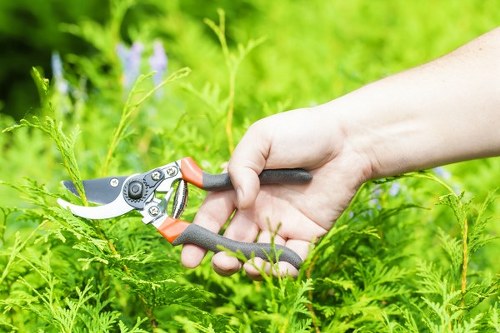
Every property is different, but several situations commonly lead to tree lopping and removal in Surrey Quays. Understanding these reasons can help property owners take action sooner and avoid preventable problems.
- Overgrown branches: Trees that spread too far may interfere with buildings, roads, or neighbouring gardens.
- Disease or decay: A tree with rot, fungal growth, or deadwood may become unstable and unsafe.
- Storm damage: High winds can split trunks or snap branches, making the tree dangerous.
- Light obstruction: Dense canopies may reduce sunlight in gardens or rooms.
- Root-related issues: Roots can lift paving, damage walls, or interfere with underground services.
- Construction or landscaping: Tree removal may be needed to make way for renovation or redevelopment.
In many cases, tree lopping in Surrey Quays is used to reduce the size of a tree while keeping it in place. This can be a useful solution when the tree is healthy but simply too large for the available space. However, if the tree is structurally compromised or unsuitable to retain, removal may be the safer and more effective option.
It is worth noting that tree lopping should be carried out carefully. Poorly executed cuts can weaken the tree, encourage disease, or lead to uneven regrowth. That is why professional assessment is so important before any work begins.
How Professional Tree Lopping and Removal Works

Professional tree lopping and removal in Surrey Quays usually begins with an on-site inspection. The arborist evaluates the species, size, health, and location of the tree, along with any nearby hazards such as power lines, buildings, fences, parked cars, or pedestrian routes. This assessment helps determine whether lopping, pruning, crown reduction, or full removal is the best course of action.
Once the plan is agreed, the team prepares the site. This often includes setting up safety barriers, checking access routes, and identifying where branches and timber will be lowered or cleared. In urban areas, preparation is especially important because space is often limited and the risk of accidental damage is higher. A professional tree removal service should always prioritise safety, precision, and minimal disruption.
The actual removal may involve dismantling the tree in sections, particularly if it is tall or close to structures. Smaller branches are cut first, then larger sections are lowered carefully using ropes or controlled equipment. If the tree is being lopped rather than fully removed, the arborist will trim selected branches to improve shape, reduce weight, or create more clearance.
After the work is complete, the site is usually cleared of debris, and the customer can choose whether the stump should be left in place or removed separately. This ensures the outdoor area is left neat and practical for future use.
Tree Removal in Surrey Quays for Unsafe or Declining Trees

Sometimes tree lopping is no longer enough. If a tree is badly diseased, dead, leaning dangerously, or suffering from serious structural damage, tree removal in Surrey Quays may be the only sensible option. This is particularly true when the tree poses an immediate risk to property or people.
Signs that a tree may need removal include cracked trunks, large areas of deadwood, visible decay at the base, repeated branch failure, or fungus growing around the roots. A tree may also need to be removed if it has been affected by root failure or if the canopy is mostly dead. In these situations, leaving the tree in place can be dangerous and may lead to sudden collapse.
Tree removal can also be necessary when a tree is interfering with planned building work, blocking a driveway, or affecting the usability of a garden. In a high-density area like Surrey Quays, land use is valuable, so removing a problematic tree can open up space and make the property easier to maintain.
When Removal Is Better Than Lopping
Although tree lopping in Surrey Quays can solve many issues, there are times when removal offers a better long-term result. Removal may be the right decision if:
- The tree is dead or dying.
- There is significant trunk decay.
- The tree has already failed structurally.
- Roots are causing major damage.
- Recurring pruning would not solve the problem.
- The tree is unsuitable for the location.
Choosing removal early can prevent repeated repair costs and reduce the chance of future hazards. A qualified arborist can explain the options clearly and recommend the most practical approach.
Benefits of Tree Lopping and Removal for Surrey Quays Properties

There are many practical and aesthetic benefits to arranging tree lopping and removal in Surrey Quays. Well-maintained trees improve the look of a property, but unmanaged trees can create more problems than they solve. Keeping them under control supports safety, property care, and everyday convenience.
One of the biggest benefits is improved light. If a large tree is overshadowing a garden, balcony, or ground-floor room, targeted lopping may allow more daylight to enter the property. This can make outdoor areas feel larger and more welcoming, while also improving the comfort of indoor spaces.
Another important benefit is the reduction of risk. Heavy branches hanging over roofs, footpaths, or parking spaces can be a constant concern. By arranging tree lopping in Surrey Quays, property owners can reduce the chance of falling branches and gain peace of mind, especially during periods of bad weather.
Tree removal can also help with long-term maintenance. A tree that sheds large amounts of debris, drops fruit, or produces excessive leaf fall may require frequent cleaning. If it is causing recurring problems, removal may save time and money over the years. This is particularly useful for landlords, management companies, and businesses that need outdoor areas to remain presentable.
Key advantages at a glance
- Safer outdoor spaces
- Better natural light
- Improved property appearance
- Less disruption from debris
- Reduced risk of damage to structures
- More usable garden or courtyard space
Understanding Tree Lopping vs Tree Pruning
People often use the terms tree lopping and tree pruning interchangeably, but there is an important difference. Tree pruning is generally a selective and considered process that removes specific branches to support the tree’s health, shape, or safety. Tree lopping, on the other hand, is often used to describe more substantial cutting back to reduce size or clear space.
In Surrey Quays, both approaches may be useful depending on the tree’s condition and the client’s goals. A healthy tree might benefit from crown reduction or selective pruning to keep it manageable. A tree that has grown too close to a building may need more dramatic lopping to create safe clearance. The right method depends on the species, age, and structure of the tree.
Using the correct technique matters. Overcutting or making poor cuts can stress the tree, encourage weak regrowth, and increase the chance of future problems. For this reason, a trained arborist will usually recommend the least disruptive option that still meets the client’s needs.
Typical arboricultural options
- Crown thinning: Removing selected branches to reduce density
- Crown reduction: Reducing height or spread while maintaining shape
- Deadwood removal: Taking out dead or unstable branches
- Sectional dismantling: Safely removing a tree in parts
- Stump grinding: Removing the stump after tree removal
Tree Lopping and Removal in Surrey Quays for Homes, Landlords, and Businesses
Tree lopping and removal in Surrey Quays is not just for private gardens. It is equally valuable for landlords, housing developments, schools, retail units, hospitality venues, and commercial premises. Each type of property has its own priorities, but safety and appearance are common concerns across the board.
For homeowners, tree work can improve the enjoyment of a garden and make outdoor areas easier to maintain. For landlords and managing agents, it can reduce complaints, prevent liability issues, and keep communal spaces looking presentable. For businesses, smart tree management can improve curb appeal and make access routes safer for staff and customers.
In shared developments, trees often sit near footpaths, bin stores, parking areas, or building entrances. This makes regular inspection essential. A tree that appears healthy from a distance may still be developing weak limbs, root stress, or early disease. Timely tree care can prevent small issues from becoming major disruptions.
Planning, Permissions, and Tree Preservation Considerations
Before carrying out tree lopping and removal in Surrey Quays, it is important to check whether the tree is protected. Some trees are covered by Tree Preservation Orders (TPOs), and many sites fall within conservation areas or have local planning conditions that affect what work can be carried out. Ignoring these rules can lead to penalties and delays.
A professional arborist can help identify whether permissions are required before work begins. This is especially useful in urban parts of Surrey Quays where development activity, shared ownership, and local regulations may all come into play. If approval is needed, it is better to handle it early rather than after work has already been scheduled.
Where no formal restriction applies, it is still best practice to keep records of the tree’s condition and any work completed. This can be valuable for insurance purposes, property management, and future maintenance planning.
Questions to consider before starting work
- Is the tree protected by a TPO?
- Is the property within a conservation area?
- Will the work affect neighbours or shared spaces?
- Does the tree need lopping, pruning, or full removal?
- Should the stump be removed afterward?
Why Professional Expertise Makes a Difference
Tree lopping and removal in Surrey Quays should always be approached with skill and care. Large trees are heavy, unpredictable, and often located in challenging spaces. Without proper training and equipment, the risk of injury or property damage increases significantly. Professional arborists understand how to manage these risks safely and efficiently.
A knowledgeable team can also recommend the most appropriate solution rather than simply cutting as much as possible. This matters because the wrong method can leave the tree vulnerable or create ongoing maintenance problems. A good service aims to balance safety, aesthetics, and long-term tree health wherever possible.
Professional work also tends to be more efficient. Proper tools, controlled techniques, and site preparation allow the job to be completed with less disruption. That means less noise, less mess, and a quicker return to normal use of the property. For busy households and commercial sites, that convenience is a major benefit.
What professional tree workers usually bring to the job
- Risk assessment and site planning
- Appropriate safety equipment
- Knowledge of tree biology and structure
- Efficient removal and clean-up methods
- Experience with restricted access areas
Seasonal Factors in Tree Lopping and Removal
The best time for tree lopping and removal in Surrey Quays can depend on the species, condition of the tree, and the reason for the work. In general, tree work can be carried out year-round, but seasonal conditions may affect how the job is planned. For example, winter often provides better visibility of the branch structure once leaves have fallen, while summer can be preferable for assessing canopy density and shading issues.
Weather also plays a role. Wet or windy conditions can make work more difficult and may increase the chance of slipping or falling debris. A professional team will choose the safest possible time and may reschedule if the conditions are unsuitable. This flexible approach helps ensure the work is completed to a high standard.
For residents and businesses in Surrey Quays, planning ahead is useful. If you know a tree is causing issues, it is better to arrange an assessment before storm season or before a major landscaping project begins. Early action often leads to better outcomes.
What to Expect After Tree Lopping or Removal
After tree lopping in Surrey Quays, the tree will usually look lighter, more balanced, and less intrusive. A well-executed reduction can improve appearance while keeping the tree healthy enough to remain in place. In some cases, follow-up maintenance may be recommended later to keep regrowth under control.
After tree removal, the remaining stump is often the next consideration. Some property owners are happy to leave it in place temporarily, while others prefer stump grinding so the area can be re-used more easily. Stump removal can help prevent trip hazards, reduce regrowth, and make way for new planting, paving, or turfing.
Clean-up is another important part of the service. Branches, timber, and foliage should be removed from the site so the garden, driveway, or commercial space is left tidy. A professional tree lopping and removal service should make the process straightforward from start to finish.
Possible next steps after the work
- Inspect the area for any remaining roots or debris
- Decide whether stump grinding is needed
- Plan replacement planting if desired
- Consider future pruning schedules
- Monitor nearby trees for similar issues
Choosing the Right Tree Lopping and Removal Service in Surrey Quays
When selecting a provider for tree lopping and removal in Surrey Quays, it helps to look for experience, professionalism, and a clear approach to safety. The best services will be able to explain what needs to be done, why it is necessary, and how they will minimise disruption during the process. They should also be prepared to work in tight spaces and around neighbouring properties.
It is also wise to choose a team that understands local conditions. Surrey Quays has a mixture of modern developments and older landscapes, so tree work can vary significantly from site to site. An experienced arborist will know how to adapt the method to fit the location and the tree.
Whether you need a small amount of crown reduction or complete tree removal, the aim should always be the same: a safe, tidy, and effective result that supports the long-term condition of your property.
Good signs to look for
- Clear explanation of the recommended work
- Respect for safety and surrounding property
- Experience with urban tree removal
- Attention to clean-up and finish
- Willingness to assess before cutting
If your tree is becoming difficult to manage, do not wait until it causes avoidable damage. Contact us today or book your service now to arrange professional tree lopping and removal in Surrey Quays and keep your property safe, attractive, and well maintained.