Narrow access gardens how Surrey Quays gardeners manage jobs
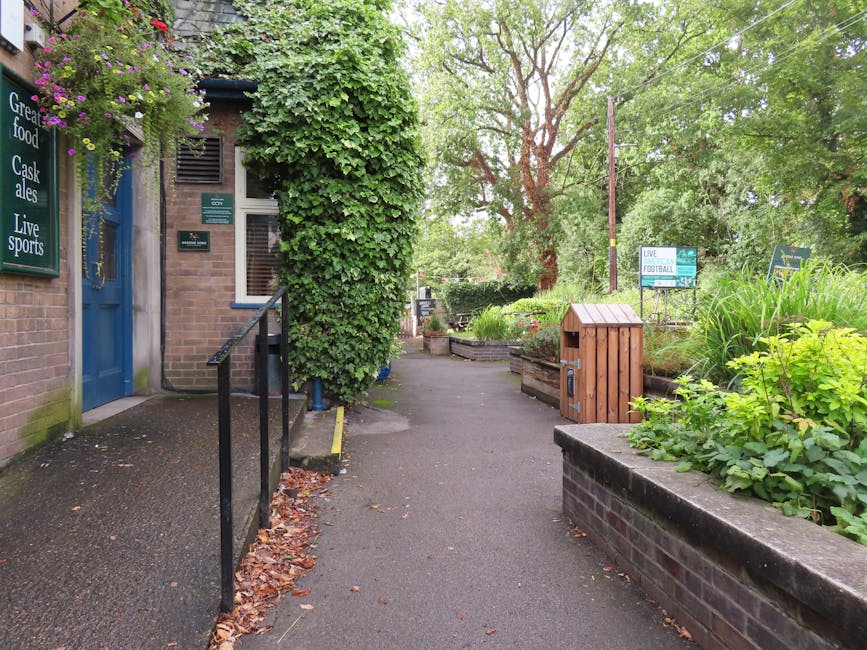
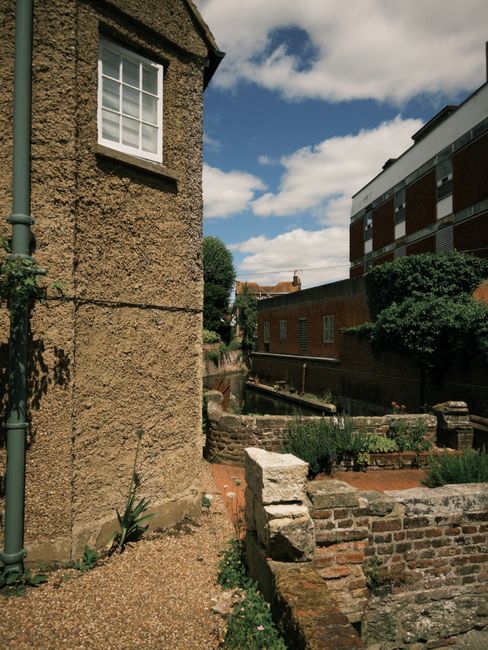
Narrow access gardens can look simple from the pavement, but anyone who has tried to move a mower, carry bags of soil, or trim a hedge down a side return knows the reality is very different. Gates are tight. Paths are awkward. Steps are steep. Sometimes there is barely enough room to turn around without clipping a wall or crushing a border. That is exactly why Narrow access gardens how Surrey Quays gardeners manage jobs matters: the work is not just about gardening skill, it is about planning, movement, timing, and care.
In Surrey Quays and similar London settings, many gardens are tucked behind terraces, flats, extensions, or shared access routes. The best gardeners do not treat these spaces as a problem; they treat them as a logistics challenge with living plants involved. This guide explains how the job is assessed, how equipment is chosen, how risks are reduced, and how a good result is achieved without turning the place into a mess. To be fair, that part is half the battle.
Whether you are comparing providers, preparing for a one-off clearance, or thinking about regular upkeep, the details below will help you understand what good narrow-access garden work actually looks like. And yes, it can be done neatly.
Why Narrow access gardens how Surrey Quays gardeners manage jobs Matters
Narrow access changes everything about a garden job. A normal lawn cut on open ground might be straightforward, but a side passage only 70 centimetres wide can slow a team down, limit equipment choice, and increase the chance of scuffed walls or trampled beds. For homeowners, that means a simple tidy-up can become frustratingly expensive if the job is not planned properly.
Good access management matters for three reasons. First, it protects the garden itself. Second, it protects the property and the people working on it. Third, it keeps the day efficient enough that the job is finished properly rather than rushed. In our experience, the best outcomes come when the first conversation is not about plants at all but about how everything will physically get in and out.
There is also a trust element. If a gardener can confidently explain how they will move materials, control waste, and work around tight access, that usually tells you a lot about their overall professionalism. It is one of those small things that says a lot.
For Surrey Quays homeowners, narrow access is often linked with basement gardens, raised rear patios, shared alleyways, or awkward routes through the house. That can affect pruning, clearing, lawn care, patio cleaning, landscaping, and even regular upkeep. A team that understands this reality will usually give you a calmer, cleaner experience from start to finish.
If you are planning broader improvements, it can also help to think beyond the immediate task. A compact layout may influence future choices such as containers, vertical planting, or a low-maintenance border. For ideas along those lines, some readers find container gardening flexibility and vertical gardening approaches useful when space is tight.
How Narrow access gardens how Surrey Quays gardeners manage jobs Works
Managing a narrow-access garden job is mostly about sequencing. The work begins before any tool comes out of the van. A gardener will usually assess the route in, the route out, the surfaces underfoot, and where waste will be stacked or removed. That sounds obvious, but in small spaces the order of operations makes a huge difference.
A sensible process often looks like this:
- Initial assessment: measure gates, side passages, steps, and turning points; check for fragile surfaces, awkward corners, and restricted head height.
- Task planning: decide what can be done with compact tools, what must be carried manually, and what might need sectional removal.
- Access protection: use boards, covers, or careful foot placement where needed to protect paving, lawns, and internal routes if materials pass through the house.
- Work in stages: complete pruning, tidying, mowing, or clearance in an order that reduces backtracking.
- Waste handling: bag green waste in manageable loads, keep routes clear, and avoid overfilling containers that are hard to carry.
- Final clear-down: sweep, rinse, or rake the access route so the property is left as found, or better.
That method may sound methodical, but honestly, methodical is what saves time in a tight garden. A rushed approach in a narrow side passage can create more mess than work completed. And once a wet mower leaves a trail across a patio, everyone notices.
Teams also adapt by choosing the right working pattern. Some jobs are tackled from the rear boundary inward. Others start at the access point and clear outward. If there are pets, children, or neighbours using shared spaces, the work may need to be broken into quieter sections to avoid disruption. It is a bit like moving furniture through a corridor: you think ahead, you do not muscle through.
Where access is particularly tricky, the gardener may recommend smaller batch visits rather than one huge clearance. That can be more practical for recurring upkeep, especially if the space includes hedging, a lawn, or planting that needs frequent attention. For mixed seasonal work, regular garden maintenance can make narrow access jobs less stressful overall.
Key Benefits and Practical Advantages
There are clear upsides to using gardeners who know how to work in confined spaces. The obvious benefit is convenience, but there is more to it than that.
- Less damage: experienced teams are far less likely to scrape walls, chip paving edges, or flatten plants while carrying equipment through narrow routes.
- Cleaner finishes: good access management usually means less debris left behind in side paths, door thresholds, or shared entrances.
- Better use of space: once access constraints are understood, the job can be planned around what actually fits, not what would be ideal in a large garden.
- Fewer surprises: a clear plan reduces delays caused by stuck tools, awkward waste piles, or last-minute hand-carrying.
- Improved safety: narrow routes can be slip hazards, especially after rain, so careful movement reduces strain and accident risk.
- More realistic maintenance: compact gardens often need smarter planting and pruning choices, not just more effort.
For homeowners, one underrated benefit is peace of mind. You are not standing there wondering whether a hedge trimmer is about to knock paint off the fence. You can actually relax a little. Rare, but welcome.
There is also a design benefit. Once a garden is being maintained properly in a confined layout, it becomes easier to spot opportunities for better structure: slimmer borders, raised beds, lighter planting, or even privacy planting that does not crowd the route. Some people start by exploring fast privacy hedge ideas or looking at ground cover planting for compact spaces.
Who This Is For and When It Makes Sense
This approach is for anyone whose garden access is not straightforward. That includes terraced homes with rear alleyways, basement or split-level gardens, properties with shared side entrances, and urban plots where bins, bikes, and storage already compete for space. If you have ever had to sideways-shuffle a wheelbarrow while holding your breath, you already know the type of challenge we are talking about.
It makes sense when the work involves any of the following:
- regular mowing in a garden that is difficult to reach with larger kit
- hedge cutting where cuttings must be carried out in bags
- border clearance or weed control through a narrow passage
- patio cleaning where hoses, water access, and drainage need careful handling
- small-scale landscaping or planting upgrades with limited delivery and storage space
- tree work where branches need sectional removal and controlled drop zones
It is also a good fit if you simply want reliable upkeep rather than a one-off rescue mission. Tight-access gardens can deteriorate quickly when jobs are postponed, because small weeds become lots of weeds and a half-hour tidy becomes a whole afternoon. We have all seen that happen after one wet month.
If your garden also needs a refreshed layout, you may benefit from a broader review through landscaping support or a focused look at lawn care where turf is still part of the picture.
Step-by-Step Guidance
Here is the practical sequence that makes narrow access jobs much easier to manage. Not glamorous, perhaps, but very effective.
1. Walk the access route first
Before tools are moved, check the route from van to garden. Look for narrow gates, uneven paving, low overhangs, hidden steps, loose slabs, and anything that could catch a wheel or boot. If the route passes through the house, protect internal floors as well. One small slip can be surprisingly annoying to fix later.
2. Split the job into small physical tasks
Rather than moving every tool at once, break the work into sensible stages. For example: cutting first, collecting cuttings second, edging third, then cleaning down at the end. In tight spaces, batching tasks reduces repeated carrying and keeps the route uncluttered.
3. Choose compact or sectional equipment
Some jobs need lightweight kit, shorter-handled tools, folding handles, or modular equipment that can be carried in pieces. The point is not just to fit through the gate; it is to work comfortably once inside. If a tool is awkward to lift, it becomes awkward to control, and that is where mistakes creep in.
4. Keep waste under control from the start
Do not wait until the end to think about the clippings pile. In narrow access gardens, waste management is part of the task. Bag it as you go, stack it neatly, and plan the exit route before the bags become a tripping hazard.
5. Clean as you move
A quick sweep of leaves, loose soil, or cut stems during the job can save a lot of time later. It also keeps pathways safer. You will notice this especially on wet days when a few stray cuttings can turn into a slip risk almost instantly.
6. Review the space once the work is done
At the end, check not only the plants but the route itself. Did any surface get marked? Are tools and waste fully removed? Do plants now have enough light and air after pruning? This last pass is where a tidy job becomes a polished one.
Expert Tips for Better Results
A few small habits make a big difference in narrow gardens. They are not complicated, but they are the kind of thing experienced gardeners rely on without making a fuss about it.
- Work dry where possible: wet paths, muddy lawns, and damp tools all make access more awkward. If timing is flexible, dry conditions help.
- Use the smallest practical tool: it is tempting to bring the biggest mower or pruner you own. Usually, that is unnecessary in confined plots.
- Protect edges early: if a fence panel or wall is vulnerable, cover or buffer it before anything heavy is carried past.
- Think vertical: tight spaces benefit from climbers, wall planting, and structured hedging rather than bulky beds. For inspiration, see evergreen climbers for shade.
- Keep a clear return route: do not allow prunings or bags to block the only way out. Sounds obvious. It still happens.
- Plan for privacy and screening carefully: in small gardens, one wrong hedge choice can make the space feel boxed in. A balanced approach matters. The service page on hedge trimming is useful when shaping has to be precise.
Another useful tip: if your access is very tight, ask for realistic advice about what can be delivered in one visit. A good gardener will not promise the moon just to win the job. They will tell you what is sensible, and that is usually worth more.
If you are thinking about decorative structure, a helpful companion read is hedge trimming shapes with clean geometry. Tight spaces often look better when lines are simple and deliberate.
Common Mistakes to Avoid
The biggest mistakes in narrow-access gardening usually come from underestimating the site. People assume the job is small because the garden is small. Not quite. The footprint may be compact, but the handling can be more complex than in a larger plot.
- Booking without an access check: photos help, but a quick discussion about gate width, steps, and waste removal is still essential.
- Choosing oversized equipment: a large mower or heavy machine may be inefficient if it needs to be carried through a tight route.
- Ignoring waste volume: hedge cuttings and clearance debris can expand quickly. Green waste always seems bigger after cutting. Always.
- Working against the layout: forcing the wrong order of tasks creates blockages and extra lifting.
- Skipping surface protection: a single muddy trip through a hallway or onto a paved terrace can leave a trail that takes ages to tidy.
- Not considering neighbours or shared spaces: in London settings, access routes are often shared or overlooked from nearby homes, so noise and tidiness matter more than people expect.
There is also a plant-health mistake to watch for. In cramped spaces, people sometimes prune too aggressively simply to create room. That can leave shrubs thin, stressed, or oddly shaped. Better to take a measured approach and preserve the natural form where you can.
And let's face it, there is no prize for filling the passage with half-cut branches and then trying to squeeze past them carrying a bag of soil. That is how ordinary jobs become comedy sketches.
Tools, Resources and Recommendations
The right tools do not just make the work easier; they make it safer and cleaner. In narrow-access jobs, portability matters almost as much as cutting power.
Useful categories include:
- Hand tools: secateurs, loppers, hand forks, edging tools, and small rakes are easier to move and control in restricted spaces.
- Compact powered tools: lightweight mowers, cordless trimmers, and smaller blowers are often more practical than bulky alternatives.
- Protective materials: boards, covers, and sheets can help shield floors and edges when routes pass close to the home.
- Waste bags and tubs: strong, manageable containers keep clippings and debris under control during the job.
- Measuring aids: a tape measure or quick visual check is useful for gates, alleyways, and storage gaps.
Resources worth exploring on the same site include essential gardening tools, insurance and safety information, and the health and safety policy if you want to understand the care expected on-site.
For garden improvement ideas that suit tighter spaces, you might also like low-maintenance garden ideas and child-friendly garden planning if the garden needs to work hard for the household.
Law, Compliance, Standards, or Best Practice
For narrow-access garden work, the most relevant issue is not usually a dramatic legal question; it is safe working practice. In the UK, responsible gardeners are expected to consider access, manual handling, public and neighbour safety, and the condition of surfaces they move across. That is especially important where work is close to shared entrances, public footpaths, or inside domestic buildings.
Best practice usually includes:
- clear communication before arrival
- realistic assessment of access limitations
- safe lifting and carrying of tools and waste
- careful control of tripping hazards
- respect for property, privacy, and quiet enjoyment
- appropriate precautions for sharp tools, powered equipment, and wet surfaces
If the job involves tree work, fencing, or heavier landscaping elements, the need for planning becomes even more important. The relevant pages on tree surgery, fencing, and decking services help show how larger tasks can be organised when access is limited.
Privacy, accessibility, cookies, payment, and complaints matter too from a customer trust point of view. If you are comparing providers, pages like privacy policy, cookie policy, payment and security, terms and conditions, and complaints procedure can help you judge how seriously a business takes the less glamorous side of service. That matters more than people think.
For those who want a broader overview of the company background, the about us page can also be helpful. A garden service is not only about the mow. It is about how the whole job is handled.
Options, Methods, or Comparison Table
Different narrow-access gardens call for different methods. The right choice depends on how tight the access is, how much waste is expected, and whether the garden is mainly ornamental, practical, or both.
| Method | Best for | Strengths | Trade-offs |
|---|---|---|---|
| Hand-tool approach | Very tight access, light pruning, small beds, detail work | Highly controllable, minimal surface impact, easy to carry | Slower on larger jobs, more labour-intensive |
| Compact powered tools | Small lawns, hedge shaping, regular maintenance | Efficient, neat finish, practical for repeat visits | Still needs careful waste handling and charging or fuel planning |
| Sectional or staged work | Gardens with awkward passageways, shared access, or multiple levels | Good for safety and organisation, reduces congestion | Requires more planning and may take longer across the day |
| Full-clearance visit | Overgrown gardens, post-tenancy work, one-off resets | Fast visual transformation, useful for neglected spaces | Can generate large waste volumes and needs strong access control |
In practice, many jobs use a mix of these methods. A gardener may use hand tools for detail work, then a compact trimmer or mower for the main surface, then a staged clearance for waste. That blended approach is often the sweet spot.
Case Study or Real-World Example
Imagine a rear garden reached through a narrow side passage shared with bins and a bicycle store. The lawn is small, the hedge has crept over the path, and the patio has a fine layer of leaf mulch that makes every step feel slightly questionable. Nothing dramatic. Just awkward.
A sensible approach would begin with clearing the access route, because there is no point carrying in tools if you can barely pass through. The hedge is then cut in manageable sections, with clippings bagged immediately rather than left in a pile. The lawn is mown using a compact machine that can be lifted through the passage without scraping the walls. Weeds are removed by hand around edging stones so the gardener does not disturb the whole border. Finally, the patio is swept and washed down, with the waste removed in several smaller loads rather than one overfilled bag that threatens to burst halfway out.
The result is not only a tidy garden. The route itself feels better to use. The bins are easier to access. The side passage stops looking like a trap. And the owner can actually walk into the garden without immediately clocking the mess first. That small shift matters.
This is the sort of outcome that comes from planning, not luck. The work may look simple once finished, but the thinking behind it is doing a lot of heavy lifting.
Practical Checklist
Use this checklist before any narrow-access garden job:
- Measure gates, passages, steps, and any tight turns.
- Check whether tools, waste, and materials can be carried in safely.
- Identify fragile paving, walls, doors, or indoor flooring that may need protection.
- Confirm where waste will be stored temporarily and how it will be removed.
- Choose compact or sectional equipment where possible.
- Decide the order of tasks before starting.
- Keep the access route clear at all times.
- Use safe lifting and avoid overfilled bags.
- Allow extra time if the route is shared, damp, or uneven.
- Finish with a full sweep-down and final visual check.
Expert summary: In narrow-access gardens, the quality of the planning is usually just as important as the quality of the gardening. The job goes smoothly when access, tools, waste, and finishing all work together.
Get a free quote today and see how much you can save.
Conclusion
Narrow-access gardens ask a little more of everyone involved. They need patience, a lighter touch, and a gardener who understands how to work carefully without turning the property into a bottleneck. In Surrey Quays, where many gardens sit behind tight passages, shared entrances, or compact urban layouts, that practical knowledge is worth a great deal.
If you take one thing from this guide, let it be this: access is not an afterthought. It shapes the whole job. When the route is planned properly, the work becomes safer, cleaner, and far less stressful for everyone. And once that part is handled well, the garden itself can finally shine.
Sometimes the best gardening work is the kind that looks effortless from the outside, even though a lot of quiet care went into it. That is the craft. That is the difference.
Frequently Asked Questions
How do gardeners deal with very narrow side access?
They assess the route first, use compact tools, bag waste in smaller loads, and work in a sequence that keeps the path clear. The main goal is to reduce carrying issues and avoid damage.
Can a full garden clear-up be done through a tight passage?
Usually yes, but it depends on the width, steps, and volume of waste. A staged approach is often better than trying to move everything in one go.
Is narrow access a problem for lawn mowing?
Not necessarily. It just means the gardener may need a smaller mower or a more manual approach. Regular lawn mowing can still be very manageable in compact gardens.
What if tools have to go through the house?
Then floors and doorways should be protected and the route kept as clean as possible. A careful team will plan this in advance rather than improvise on the day.
Do narrow-access gardens cost more to maintain?
They can, especially if work takes longer or waste is harder to remove. That said, not every job is more expensive. The real answer depends on access, task size, and how often the garden is maintained.
What kind of equipment is best for restricted access?
Lightweight, compact, and easy-to-carry tools tend to work best. Hand tools, smaller trimmers, and portable bags or tubs are often more practical than oversized machines.
How can I prepare my garden before the gardeners arrive?
Clear the access route as much as you can, move bicycles or bins if needed, and let the team know about any awkward steps, locks, or shared spaces. A quick heads-up helps a lot.
Are narrow-access gardens more risky to work in?
They can be if the route is uneven, slippery, or cluttered. Good planning, safe lifting, and careful movement reduce the risk significantly. That is why health and safety guidance matters.
Can narrow-access gardens still be landscaped properly?
Absolutely. The design just needs to suit the space. Slim borders, vertical planting, structured hedging, and containers often work better than bulky layouts. Some gardens actually improve a lot once the access and layout are thought through together.
What should I ask before booking a gardener for a tight-access property?
Ask how they handle access, what equipment they use, how waste will be removed, and whether they have worked in similar spaces before. Those questions tell you far more than a generic sales pitch.
Do Surrey Quays gardeners handle both one-off and regular jobs in narrow gardens?
Yes, and regular visits often make more sense because they stop access-heavy jobs from building up into bigger clearances. A little upkeep goes a long way in tight spaces.
When is the best time to tackle a narrow-access garden job?
Dry, mild conditions are usually easiest, especially for carrying tools and keeping surfaces safe. But the right timing also depends on the specific task, whether it is pruning, mowing, clearing, or a more involved tidy-up.