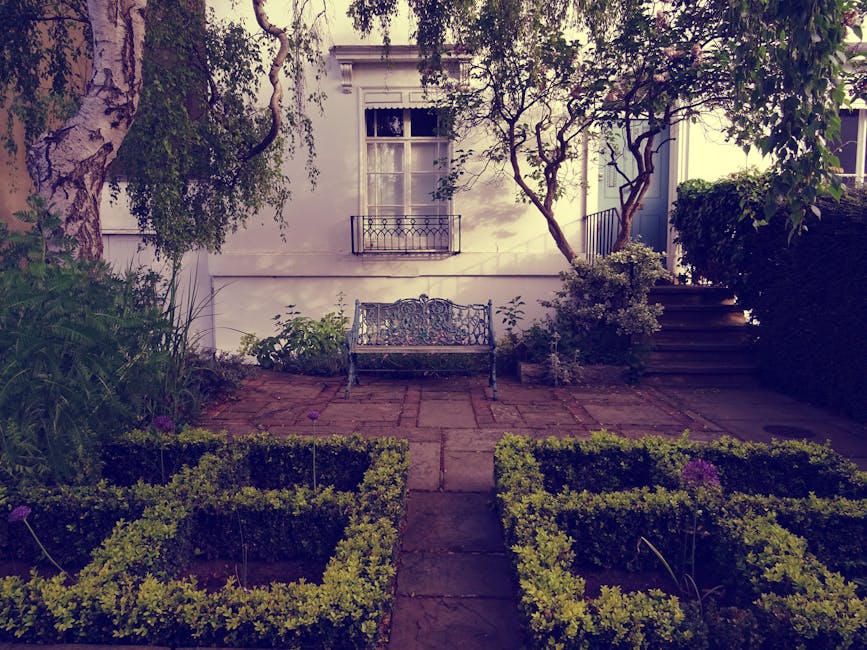
Surrey Quays gardeners guide to small yard makeovers
If your yard feels too narrow, too shaded, too windy, or just a bit forgotten, you are not alone. In Surrey Quays, plenty of outdoor spaces have to work hard in a small footprint, which means every choice matters: layout, planting, storage, screening, and how you actually use the space on a damp Tuesday evening with a cup of tea in hand. This Surrey Quays gardeners guide to small yard makeovers is built for real-life spaces, not glossy magazine gardens that seem to ignore bins, bikes, and the odd patch of stubborn shade.
The good news? A small yard can feel bigger, calmer, and far more useful with the right plan. A smart makeover does not always mean a full rebuild either. Sometimes it is about better flow, cleaner hard landscaping, and planting that earns its keep. Other times it is about tightening up the edges, adding privacy, and choosing low-maintenance features that still feel welcoming. Let's get into the practical stuff.
Table of Contents
- Why Surrey Quays gardeners guide to small yard makeovers Matters
- How Surrey Quays gardeners guide to small yard makeovers Works
- Key Benefits and Practical Advantages
- Who This Is For and When It Makes Sense
- Step-by-Step Guidance
- Expert Tips for Better Results
- Common Mistakes to Avoid
- Tools, Resources and Recommendations
- Law, Compliance, Standards, or Best Practice
- Options, Methods, or Comparison Table
- Case Study or Real-World Example
- Practical Checklist
- Conclusion
- Frequently Asked Questions
Why Surrey Quays gardeners guide to small yard makeovers Matters
Small yards are easy to underestimate. They often get treated like leftover space instead of an important part of the home. That is a shame, because even a compact outdoor area can become a place to relax, dry laundry, grow herbs, entertain a friend, or simply breathe for five minutes without walls closing in. In busy parts of London, that kind of everyday calm matters more than people sometimes admit.
A well-planned makeover also prevents the usual problems that make small yards feel awkward: clutter, poor drainage, dark corners, weak planting, and surfaces that dominate the space. The aim is not to cram more in. It is to make the yard feel intentional. A good design gives you visual space, easier upkeep, and a more comfortable flow from indoors to outdoors.
To be fair, many homeowners start with one problem and end up fixing three or four. A tired patio becomes a drainage issue, a privacy problem, and a storage headache all at once. That is why a proper approach is more useful than just buying a few plants and hoping for the best. If you want the broader planning perspective, it helps to think of the yard as part of a whole makeover journey, not a quick tidy-up. A useful companion read is unlocking your garden's potential through a makeover mindset.
How Surrey Quays gardeners guide to small yard makeovers Works
At its best, a small yard makeover follows a simple principle: every square metre needs a job. That could mean seating, planting, storage, screening, or all four. The process usually starts by looking at what is already there and deciding what should stay, what should go, and what can be improved without overcomplicating things.
In practice, the work tends to follow five stages:
- Assessment - Measure the space, note sun, shade, wind, and wet areas, and look at how the yard connects to doors, windows, and side access.
- Clear-out - Remove clutter, broken pots, tired timber, weeds, and anything that blocks movement or light.
- Layout planning - Decide where people will sit, walk, store items, and look out from. This is where the whole design either clicks or becomes a bit messy.
- Hard landscaping - Improve the main surfaces, edging, steps, fences, decking, or patio so the space feels solid and clean.
- Soft landscaping - Add planting, screening, container displays, climbers, and low-maintenance details that soften the space without swallowing it.
The trick is balance. Too much hard landscaping and the yard feels stark. Too much planting and you spend your weekends pruning and sweeping leaves. A successful small yard usually sits somewhere in the middle, with structure up front and softer layers around it.
If you are considering whether to improve the layout, the planting, or the boundaries first, it helps to think about how the space is used most often. For privacy-led changes, you might explore privacy hedges for faster screening or practical fencing options. If the space feels cramped because of poor edges or awkward geometry, the shape matters too, and smart hedge shaping can make a surprisingly big difference.
Key Benefits and Practical Advantages
A small yard makeover is not only about looks, although that is usually the first thing people notice. The real value often shows up in everyday use. You open the back door and the space feels calmer. You can sit down without moving three planters first. You can water things without stepping around a tangle of clutter. Small wins, but they add up.
- Better use of space - Good layout makes a compact yard feel more generous.
- Lower maintenance - The right surfaces and plant choices reduce weekly chores.
- Improved privacy - Screening can make a yard feel much more enclosed and restful.
- More light and depth - Lighter surfaces, layered planting, and vertical features can change how the eye reads the space.
- Year-round usefulness - Even in colder months, a tidy, structured yard feels more inviting than a forgotten patch of ground.
- Better property appeal - A neat, well-considered yard tends to feel more valuable to buyers and more enjoyable to owners. Not magic, just common sense.
There is also a comfort factor that is hard to quantify. A yard that is easy to step into gets used more often. You notice the evening light. You use herbs from the planter. You sit outside for ten minutes longer than planned. That kind of life is what the makeover should support.
For low-effort upkeep, the guide to affordable low-maintenance garden ideas fits neatly with small-yard thinking, because a compact garden should never become a second full-time job.
Who This Is For and When It Makes Sense
This approach suits homeowners, renters with permission to improve the space, landlords wanting to lift curb appeal, and anyone with a narrow or enclosed outdoor area that needs more purpose. If your yard is mainly used for storage now, or if you avoid going outside because it feels bleak, then a makeover is probably overdue.
It also makes sense if you have one of these common situations:
- a courtyard or terrace that feels more like a corridor than a garden
- a shady yard where grass struggles and damp lingers
- a windy or exposed space that keeps knocking plants about
- a family yard that needs safer circulation and a bit more resilience
- a dog-friendly area that must be durable, easy to clean, and not too delicate
- a social space that needs seating but has very little room to spare
It is also a good fit if you want the yard to work across seasons. London weather can be a bit of a character, can't it? One week you are dealing with bright sun on a wall; the next, a cold wind finds every gap. That is where planning for the elements comes in. A helpful read on that side of things is garden protection strategies for challenging weather, and for exposed spaces specifically, wind management ideas for gardens can be very useful.
Step-by-Step Guidance
Here is the most practical way to approach a small yard makeover without losing momentum halfway through.
1. Start with a proper reset
Before you buy anything, clear the yard and look at the bones of the space. Remove clutter, sweep or pressure-clean hard surfaces if needed, and assess what is actually worth keeping. A battered bench might be salvageable. A broken plastic planter, less so. This stage is not glamorous, but it saves money later.
2. Measure and sketch the space
You do not need architectural drawings. A rough sketch with measurements is enough. Mark the main access points, drainage channels, windows, and any awkward corners. Then think about movement. Where do you naturally walk? Where do you want to pause? Where does the view land first?
3. Choose one clear purpose
A tiny yard can do many things, but it should not try to do everything equally. Maybe it is a quiet sitting spot first, with plants around the edges. Maybe it is a family-friendly play zone with tough surfaces and a planting strip. Maybe it is a green, productive space for herbs and containers. Choosing a lead purpose stops the design from becoming cluttered.
4. Improve the largest visual surfaces
In a small yard, the biggest surfaces carry the most visual weight. Patios, decking, fence lines, and boundary walls shape the whole feel of the space. If those surfaces are stained, uneven, or dull, the yard looks tired no matter how nice the plants are. A clean patio and tidy boundary can instantly lift the whole area; patio cleaning is one of those jobs people often leave too long, then wonder why everything still feels grubby.
5. Add vertical interest
When ground space is tight, go up. Climbing plants, wall features, trellis, and slender tiered planting can create depth without stealing floor area. Evergreen climbers are especially useful if you want colour and cover outside the summer season. If that sounds like your kind of fix, shade-tolerant evergreen climbers are worth considering.
6. Layer the planting
Use a mix of structural plants, soft fillers, and seasonal colour. In a small yard, repeated planting often looks better than too many different varieties. One bold pot, one or two climbers, and a ground-level layer can feel calmer than six competing colours. For inspiration on compact planting, container gardening is a strong route, especially where soil quality is poor or the layout needs flexibility.
7. Make seating fit the space, not fight it
Seating should support the yard, not dominate it. A slim bench, foldable chairs, or a small built-in corner seat can work well. The best seating often sits where the sun or evening light lands naturally. A thoughtful overview is in garden seating design for comfort and leisure.
8. Finish with tidy edges and easy maintenance
Clean edging, simple borders, and a repeatable maintenance routine keep the makeover looking fresh. If borders are overrun, weeds take hold fast. That is why a clear plan for effective weed control is part of a good makeover, not an afterthought.
Expert Tips for Better Results
A few small decisions can make a yard feel twice as usable. In our experience, these are the ones that matter most.
- Use repetition - Repeating materials or plant shapes creates calm. A small yard usually benefits from rhythm more than variety overload.
- Keep the palette tight - Two or three core materials often look better than five. Think timber, stone, and green, rather than a little bit of everything.
- Choose plants for the real conditions - A plant that loves full sun will not thrive in a shaded alley-like yard. Sounds obvious, but it gets ignored constantly.
- Leave breathing room - Empty space is not wasted space. It helps the yard feel larger and more legible.
- Use fragrance where you pass close - Herbs, lavender-type planting, and scented climbers can make a compact yard feel richer because you experience them up close.
- Think about winter structure - A yard should not collapse visually once summer flowers fade. Evergreens, hedges, and good hard landscaping keep things together.
If you want a useful foundation for plant selection, practical beginner gardening tips can help you avoid the usual trial-and-error mistakes. And if you are using green waste from the makeover, composting and soil improvement matter more than people think; turning organic waste into fertile soil is a neat way to support long-term plant health.
One more thing. If your yard faces a blank fence or awkward neighbour sightline, privacy planting can be more elegant than trying to bolt on a load of visual noise. That is where the right hedge or screen helps. And yes, sometimes a hedge does more for peace of mind than a shiny new chair ever could. Funny, but true.
Common Mistakes to Avoid
Small yards punish bad decisions quickly. There is not much room for error, and that is why some makeovers look busy or cramped almost immediately. The most common mistakes are usually these:
- Overfilling the space - Too many pots, ornaments, or features make the yard feel smaller.
- Ignoring drainage - Water pooling underfoot is a nuisance and can damage surfaces over time.
- Picking the wrong plants - Beautiful on the label, miserable in your actual conditions.
- Using one flat level everywhere - Even a subtle change in surface, edge, or height can add depth.
- Forgetting maintenance - A design that only looks good on day one is not much use.
- Making boundaries too heavy - Tall, dark fencing or dense screening can feel oppressive in a small yard if not balanced properly.
Another common miss is neglecting the surrounding garden fabric. If the fence is tired, the hedge is shaggy, or trees cast more shade than expected, the yard never quite settles. That is where broader services can help, from hedge trimming to tree surgery, depending on what is actually causing the problem. Sometimes a bigger fix is the sensible one, even if it feels less exciting at first.
Tools, Resources and Recommendations
You do not need a van full of kit to improve a small yard, but the right tools make the work cleaner and safer. For most makeovers, these are the essentials:
- tape measure and notebook for basic planning
- spade, hand trowel, fork, and secateurs
- stiff broom or patio brush
- gloves and knee protection
- watering can or hose with sensible reach
- basic pruning tools for light maintenance
- containers or planters sized to suit the available space
For a good all-round list of starter kit and practical equipment, the essential tools for gardeners is a sensible reference. If you want to improve the yard with soft planting that performs well in narrow spaces, look at ground covers for UK gardens, because they can help reduce bare soil and tidy up awkward edges.
There is also value in professional support when the job goes beyond cosmetic changes. A team experienced in general gardening services, landscaping, or decking services can help if the space needs structural work rather than simple plant replacement. And if the goal is ongoing upkeep after the makeover, regular garden maintenance keeps the whole thing from sliding back into chaos. Which, let's face it, happens faster than anyone wants.
Law, Compliance, Standards, or Best Practice
For most small yard makeovers, the key point is not legal complexity but sensible best practice. If you live in a shared building, leasehold property, or a home with boundary responsibilities, check what you are allowed to change before starting major work. That is especially true for fencing, drainage alterations, tree work, or anything that affects access paths or shared surfaces.
In the UK, it is also sensible to keep safety, access, and neighbourly impact in mind. If a makeover changes steps, slopes, or circulation routes, make sure the finished space remains practical and safe. For properties with public-facing or shared use, thinking about accessibility is especially helpful. If you want to understand how a provider approaches that, the site's accessibility statement and health and safety policy offer a useful sense of standards and care.
When choosing anyone to carry out work, it is wise to ask about insurance, payment terms, and what happens if the plan changes once the site is opened up. A reputable provider should be transparent. You should not have to guess. For more background, see the pages on insurance and safety, payment and security, and terms and conditions. That is not paperwork for paperwork's sake; it protects both sides.
For pricing expectations and scoping, a clear written quote is always better than a vague estimate muttered over a fence. The page on pricing and quotes is a useful reminder of how proper project planning should be handled.
Options, Methods, or Comparison Table
If you are deciding how to approach a small yard makeover, it helps to compare the main methods. Each one suits a different budget, timescale, and level of disruption.
| Approach | Best for | Typical strengths | Watch-outs |
|---|---|---|---|
| Light refresh | Tired but functional yards | Fast, affordable, low disruption | May not solve layout or drainage issues |
| Plant-led makeover | Spaces that feel bare or lifeless | Adds softness, colour, and seasonal interest | Needs right plant selection and upkeep |
| Hard landscaping upgrade | Uneven, worn, or awkward spaces | Improves structure, access, and durability | More costly and more disruptive |
| Full redesign | Yards with multiple issues | Best for a complete transformation | Requires planning, time, and a clear budget |
Honestly, most people do not need the biggest option. A thoughtful refresh often gets 80 percent of the visual gain with far less hassle. But if the boundary, paving, or levels are genuinely holding the space back, a stronger intervention can be worth it. The challenge is knowing which camp you are in.
For spaces that need privacy as part of the upgrade, compare planting-based screens with physical boundary work. If you need something softer and greener, start with the privacy-led planting ideas above. If you need a more immediate enclosure, fencing support can be the cleaner answer.
Case Study or Real-World Example
Picture a modest Surrey Quays yard behind a terraced home: concrete paving, a tired fence, a couple of mismatched pots, and a corner where rainwater lingers after wet weather. Nothing dramatic. Just one of those spaces people avoid because it never feels finished.
The makeover plan was simple. First, the old clutter went. Then the paving was cleaned so the surface actually reflected light again. The fence line was tidied and softened with climbing structure, while the planting was reduced to a few consistent containers rather than a scatter of random pots. A slim bench was added to one side, leaving a clear walkway through the centre. The result was not a giant garden, because it could not be. But it became a place that felt ordered, brighter, and far more usable.
What made the difference was restraint. Not more stuff. Better choices. The yard started working with its size instead of fighting it. That is the bit many people miss. A small outdoor area does not need to pretend it is large. It just needs to be clever, calm, and easy to enjoy.
If the space also had pets or children in regular use, the priorities would shift a little. For family or pet-friendly planning, the related guides on family-friendly garden design and dog-friendly garden spaces are both worth a look. Different households, different needs, same basic principle: keep it usable.
Practical Checklist
Use this checklist before you start a small yard makeover. It keeps things grounded.
- Measure the yard and note the awkward spots.
- Decide the main purpose: seating, planting, play, storage, or a mix.
- Check sun, shade, wind exposure, and drainage.
- Remove clutter, dead plants, and anything that blocks movement.
- Inspect fences, paving, steps, and boundaries for repair needs.
- Choose a limited material palette so the design feels coherent.
- Plan some vertical interest if floor space is tight.
- Use containers or raised features where flexibility helps.
- Select plants that match the real conditions, not the ideal ones.
- Leave room for maintenance and access. Future you will appreciate it.
- Think about winter appearance as well as summer colour.
- Confirm any leasehold, boundary, or access issues before major work begins.
That last one can save a headache. A small yard is still part of a property, not a separate planet.
Conclusion
A successful small yard makeover in Surrey Quays is less about scale and more about discipline. The best spaces are usually the ones that know what they are for. They have one clear purpose, a tidy structure, and planting that earns its place. That can mean a calm sitting area, a smarter screening scheme, a low-maintenance refresh, or a clever blend of all three.
When you strip away clutter and focus on layout, light, and everyday use, even the smallest yard can become one of the most satisfying parts of the home. Not flashy. Just lovely to step into. And that is enough, really.
If you are ready to turn a cramped or tired yard into something more welcoming, start with a clear plan, then bring in help where it counts. For tailored support and a practical next step, get in touch with the Surrey Quays team and talk through what your space needs.
Get a free quote today and see how much you can save.
Frequently Asked Questions
What is the best first step in a small yard makeover?
Start by clearing the space and measuring it properly. Once you can see the full footprint, it becomes much easier to decide whether you need better seating, more planting, new boundaries, or a layout change.
How do you make a small yard look bigger?
Use a limited material palette, keep pathways clear, add vertical interest, and avoid overcrowding the space. Light surfaces and repeated planting can also help the yard feel calmer and more open.
Are containers a good idea for small yards?
Yes, very often. Containers are flexible, easy to move, and ideal where soil is poor or the layout may change. They are especially useful for renters or anyone who wants to refresh the yard without major disruption.
What plants work well in a shaded small yard?
Shade-tolerant climbers, tough evergreens, and certain ground covers tend to perform well. The key is to choose plants that suit the actual light levels rather than assuming all yards get the same conditions.
How much maintenance does a small yard makeover need?
That depends on the design. A low-maintenance layout with simple planting and durable surfaces needs far less work than a heavily planted space. Good planning reduces future upkeep a lot.
Should I choose decking or paving for a compact yard?
Both can work. Paving often gives a clean, solid look and can be easier to pair with planting. Decking can feel warmer and more inviting, but it needs to be well maintained and suited to the site. The best choice depends on drainage, use, and style.
What is the biggest mistake people make in small yard design?
Overfilling the space. Too many features make a small yard feel cramped and busy. Simplicity usually works better, even if it feels a bit less exciting at first.
Can a small yard still have privacy?
Yes. Privacy can come from fencing, hedging, climbers, or a layered mix of both. In a small space, the trick is to avoid making the boundary feel heavy or oppressive.
Is a small yard makeover worth the cost?
For many homeowners, yes. A compact space can be transformed with relatively focused work, and the day-to-day benefit is often immediate: better use, better views, and a garden you actually want to spend time in.
Do I need professional help for a small yard makeover?
Not always. A simple refresh can be DIY-friendly. But if the space has drainage issues, damaged boundaries, awkward levels, or needs a full redesign, professional support is usually the safer and more efficient route.
How long does a small yard makeover usually take?
It varies a lot. A basic refresh may take only a short time, while a full redesign can take longer depending on materials, weather, and the amount of preparation needed. The planning stage is often quicker than people expect, but the site work can be more involved.
What should I ask before hiring a gardener or landscaper?
Ask about experience with small spaces, what is included in the quote, how changes are handled, whether the work is insured, and what maintenance the finished design will need. Clear answers early on usually save trouble later.